Why Is My Leopard Gecko Not Eating? 9 Causes & Solutions
Discover why your leopard gecko may have stopped eating and learn how to identify and fix the most common causes.
Leopard Geckos Reptiles Team
Published
infoDisclosure: This post contains affiliate links. As an Amazon Associate we earn from qualifying purchases, at no extra cost to you.
medical_servicesVeterinary Disclaimer: This article is for educational purposes only and is not a substitute for professional veterinary advice. If your leopard gecko shows signs of illness, consult a qualified reptile veterinarian.
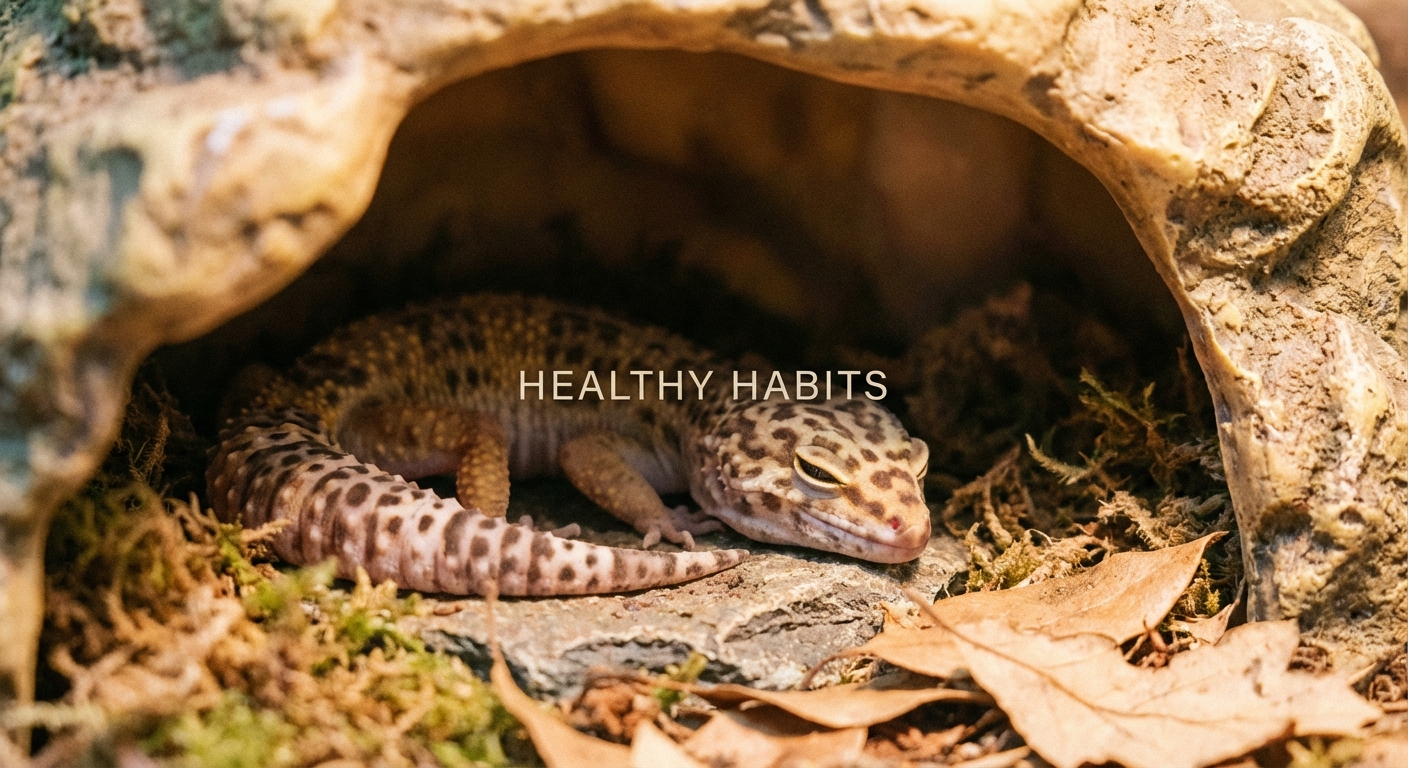
A leopard gecko refusing food is one of the most common concerns for owners. While it can be alarming, loss of appetite is often caused by manageable husbandry issues rather than serious illness. This guide covers the nine most common reasons your gecko may not be eating and how to address each one.
infoQuick Answer
The most common causes of appetite loss are incorrect temperatures (too cold for digestion), stress from a new environment, and shedding. Check your temperatures first, as this is the cause in over 50% of cases.
9 Common Causes of Appetite Loss
1. Incorrect Temperatures

BN-LINK Digital Heat Mat Thermostat
Simple on/off probe thermostat that keeps heat mats in the safe range. An inexpensive safeguard every heat source needs.
- check_circleDigital display with day and night settings
- check_circle40-108°F (4-42°C) control range
- check_circleRemote probe sensor
This is the number one cause. Leopard geckos need belly heat for digestion. If your warm side is below 85°F (29°C) or your basking spot is not reaching 88-92°F (31-33°C), your gecko physically cannot digest food properly and will stop eating. Check temperatures with a digital thermometer, not the stick-on kind.
2. New Environment Stress
New geckos commonly refuse food for 1-2 weeks while adjusting to their new home. This is normal. Avoid handling during this period, ensure proper hides are available, and offer food every few days without forcing interaction.
3. Shedding
Many geckos stop eating a day or two before shedding and may not resume until the shed is complete. This is normal. Ensure your humid hide is properly moist to support healthy shedding.
4. Brumation
During winter months, leopard geckos may enter brumation, a period of reduced activity and appetite similar to hibernation. If your gecko is otherwise healthy, maintains weight, and this occurs in late fall or winter, brumation is likely the cause.
5. Picky Eating
Some geckos become fixated on one feeder type and refuse others. If your gecko only wants mealworms but you are offering crickets, try their preferred food. Gradually introduce variety once they are eating consistently.
6. Overfeeding
Adult geckos do not need to eat every day. If you have been feeding daily, your gecko may simply be full. Check the tail; a thick, healthy tail indicates good fat reserves and the gecko may simply not be hungry.
7. Impaction
If your gecko has ingested loose substrate, impaction may prevent eating. Signs include a swollen belly, lethargy, and no bowel movements. This requires veterinary attention. Avoid loose particle substrates to prevent impaction.
8. Parasites
Internal parasites can cause appetite loss, weight loss, and abnormal stools. If you notice runny or foul-smelling stool along with appetite loss, a fecal exam by a reptile vet can diagnose parasites.
9. Illness
Respiratory infections, metabolic bone disease, and other illnesses cause appetite loss. Look for additional symptoms like wheezing, mouth gaping, lethargy, or weight loss. Illness requires veterinary care.
When to See a Vet
warningSeek Veterinary Care If:
Your gecko has not eaten for more than 2 weeks (adults) or 1 week (juveniles), shows rapid weight loss, has discharge from eyes/nose/mouth, is lethargic and unresponsive, or has abnormal stool or no stool for extended periods.
Frequently Asked Questions
How long can a leopard gecko go without eating?expand_more
Should I force feed my gecko?expand_more
My gecko only eats from tongs. Is that okay?expand_more
Getting Your Gecko Eating Again
Most appetite issues resolve once the underlying cause is addressed. Start by verifying your temperatures, then consider other factors like stress, shedding, or brumation. If husbandry is correct and your gecko still refuses food for more than two weeks, consult a reptile veterinarian. With patience and proper care, most geckos return to eating normally.