Leopard Gecko Shedding: Complete Guide to Healthy Sheds (2026)
Master leopard gecko shedding with our complete guide covering shed cycles, proper humidity, recognizing problems, and treating stuck shed safely.
Leopard Geckos Reptiles Team
Published
infoDisclosure: This post contains affiliate links. As an Amazon Associate we earn from qualifying purchases, at no extra cost to you.
medical_servicesVeterinary Disclaimer: This article is for educational purposes only and is not a substitute for professional veterinary advice. If your leopard gecko shows signs of illness, consult a qualified reptile veterinarian.
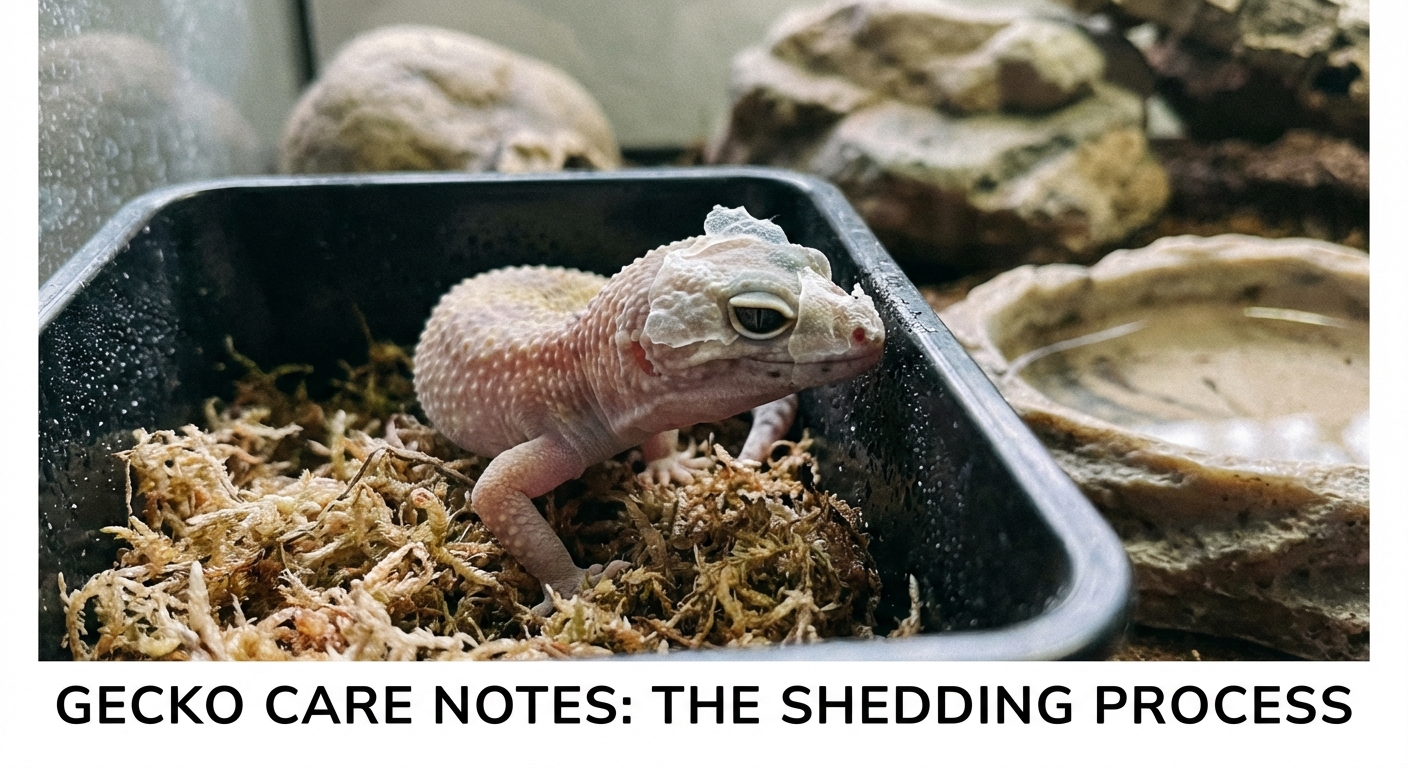
Shedding is a natural process where leopard geckos periodically replace their old skin with new growth. Unlike snakes that shed in one piece, leopard geckos shed in patches and typically eat their shed skin. While shedding is normal and healthy, problems can occur when humidity is incorrect or underlying health issues exist. Understanding the shedding process helps you support your gecko and recognize when intervention is needed.
infoQuick Answer: Shedding Basics
Leopard geckos shed every 2-4 weeks (juveniles) or every 4-8 weeks (adults). The process takes 1-3 days from first signs to completion. Provide a humid hide with damp moss to help with shedding. Never pull stuck shed, instead use lukewarm water soaks and gentle assistance.
Why Do Leopard Geckos Shed?
Shedding (ecdysis) occurs because reptile skin does not grow continuously like mammal skin. Instead, leopard geckos grow a new layer of skin underneath the old one, then shed the outer layer when the new skin is ready. This process allows for growth, heals minor skin damage, and helps remove parasites.
Young, rapidly growing geckos shed more frequently than adults because they need to accommodate growth. Adult geckos shed less often but still regularly replace their skin. Factors like nutrition, health status, and environmental conditions can affect shed frequency and quality.
How Often Do Leopard Geckos Shed?
- check_circleHatchlings (0-2 months): Every 1-2 weeks due to rapid growth
- check_circleJuveniles (2-12 months): Every 2-4 weeks as growth continues
- check_circleSub-adults (12-18 months): Every 3-6 weeks as growth slows
- check_circleAdults (18+ months): Every 4-8 weeks for skin maintenance
- check_circleSeniors (10+ years): May shed less frequently, every 6-10 weeks
These frequencies are approximate. Individual geckos vary based on genetics, diet quality, and overall health. A healthy adult shedding every 6 weeks is completely normal, as is one shedding every 4 weeks. Concern arises when shed frequency changes dramatically or sheds become problematic.
Signs Your Gecko Is About to Shed
Leopard geckos show predictable signs 1-3 days before shedding begins. Recognizing these signs helps you ensure proper humidity and avoid disturbing your gecko during this time.
- check_circleDulling color: Vibrant colors become muted and washed out as the old skin separates
- check_circleMilky or grey appearance: The gecko looks pale or ghostly, especially noticeable on normally bright areas
- check_circlePink tinge: Some geckos show pinkish areas where new skin is visible beneath
- check_circleReduced appetite: Many geckos refuse food 1-2 days before shedding
- check_circleIncreased hiding: Geckos often spend more time in their humid hide before shedding
- check_circleEye changes: Eyes may appear cloudy or have a filmy look
lightbulbPre-Shed Care
When you notice shedding signs, ensure the humid hide is freshly moistened with damp sphagnum moss or paper towels. Offer food but do not force it if refused. Avoid handling until the shed is complete.
The Shedding Process Step by Step
Once shedding begins, the process typically completes within a few hours, though some geckos take up to a day. Leopard geckos usually shed at night when they are most active. The gecko will rub against rough surfaces and use its mouth to pull off skin pieces, which it then eats.
Eating the shed skin is normal and beneficial. The shed contains nutrients and helps hide evidence of the gecko presence from predators in the wild. Do not be alarmed if you never see shed skin in the enclosure. Finding remnants usually indicates an incomplete shed rather than normal behavior.
The Humid Hide: Essential for Good Sheds

Zoo Med Repti Shelter 3-in-1 Cave (Medium)
Purpose-built humid hide with a removable lid, making it easy to refresh damp moss or coconut fiber for healthy sheds.
- check_circleRemovable lid for easy substrate changes
- check_circleHolds humidity effectively
- check_circleMedium size fits adult leopard geckos
A humid hide (also called a moist hide or shed box) is a critical piece of equipment that provides a high-humidity microclimate within the enclosure. This localized humidity helps soften the old skin and facilitates complete shedding without affecting the overall dry conditions leopard geckos need.
To create a humid hide, use a hide with a single entrance (commercial hides or plastic containers work well) and line the bottom with damp sphagnum moss, eco-earth, or paper towels. The interior should be noticeably humid but not dripping wet. Place the humid hide on the warm side of the enclosure where heat helps maintain humidity. Re-moisten the substrate every few days or whenever it dries out.
warningAvoid These Humid Hide Mistakes
Do not soak the substrate until dripping wet, as this promotes bacteria and mold. Do not use fabric or cotton that can catch on toes. Do not place on the cool side where it stays too wet. Replace substrate regularly to prevent mold growth.
Stuck Shed: Causes, Prevention, and Treatment
Stuck shed (dysecdysis) occurs when old skin remains attached after shedding. Common problem areas include the toes, tail tip, eyes, and around the vent. Stuck shed is a serious issue because it can constrict blood flow, leading to tissue death and loss of toes or the tail tip.
Common Causes of Stuck Shed
- check_circleLow humidity: No humid hide or dried-out substrate in the humid hide
- check_circleDehydration: Not drinking enough water, often due to health issues
- check_circleNutritional deficiencies: Lack of vitamin A affects skin health
- check_circleIllness: Sick geckos often have incomplete sheds
- check_circleStress: New environments, handling, or cohabitation stress
- check_circleScarring: Previous injuries or burns can cause chronic stuck shed in that area
How to Safely Remove Stuck Shed
Never pull or peel stuck shed forcefully. This can damage new skin underneath and cause bleeding. Instead, soften the stuck shed first. Prepare a shallow container with lukewarm water (about 80-85°F) deep enough to cover the affected areas but not deep enough to stress your gecko. Soak for 10-15 minutes while supervising.
After soaking, the stuck shed should be soft and pliable. Gently roll it off with a damp cotton swab or your fingers using minimal pressure. For stubborn pieces, apply a drop of pure coconut oil or mineral oil to lubricate, wait a few minutes, then try again. For stuck shed around eyes, do not attempt removal yourself and consult a reptile veterinarian.
warningWhen to See a Vet
Seek veterinary care for: stuck shed around the eyes that does not soften with soaking, toes or tail tip that appear dark or constricted, recurring stuck sheds despite good husbandry, or any signs of infection (swelling, discharge, bad smell).
Special Concern: Stuck Shed on Toes
Toes are the most common and dangerous location for stuck shed. Rings of retained skin can build up over multiple shed cycles, eventually cutting off blood circulation. This leads to necrosis (tissue death) and toe loss. After every shed, examine your gecko toes closely for any retained skin.
Prevention is key: maintain a proper humid hide, ensure good hydration, and provide rough surfaces like slate tile that help wear off stuck shed naturally. If you notice stuck shed on toes early, a 10-minute soak followed by gentle removal with a wet cotton swab usually resolves it. Chronic toe shed problems warrant a husbandry review and possibly a vet visit.
Shedding and Eating Behavior
Many leopard geckos stop eating 1-3 days before and during shedding. This is normal and not a cause for concern. Appetite typically returns within 24 hours after shedding completes. Do not force-feed or worry about short fasting periods around sheds.
If your gecko refuses food for more than a week after shedding, investigate other causes such as temperature problems, stress, or illness. A gecko that sheds but does not resume eating may have an underlying health issue that needs attention.
Frequently Asked Questions
How long does leopard gecko shedding take?expand_more
Why does my leopard gecko eat its shed skin?expand_more
Should I help my gecko shed?expand_more
My gecko has stuck shed on its eye. What do I do?expand_more
Can I handle my gecko while it is shedding?expand_more
Supporting Healthy Sheds
Proper shedding is a sign of a healthy leopard gecko with good husbandry. Provide a humid hide with damp substrate, maintain proper temperatures, ensure adequate hydration, and feed a nutritious diet with appropriate supplements. Check your gecko after each shed for stuck skin, especially on toes and tail tips. With these basics in place, shedding problems become rare, and your gecko will maintain healthy, vibrant skin throughout its life.