How Long Do Leopard Geckos Live? Complete Lifespan Guide
Discover how long leopard geckos live and the key factors that influence their lifespan in captivity.
Leopard Geckos Reptiles Team
Published · Last updated
infoDisclosure: This post contains affiliate links. As an Amazon Associate we earn from qualifying purchases, at no extra cost to you.
medical_servicesVeterinary Disclaimer: This article is for educational purposes only and is not a substitute for professional veterinary advice. If your leopard gecko shows signs of illness, consult a qualified reptile veterinarian.
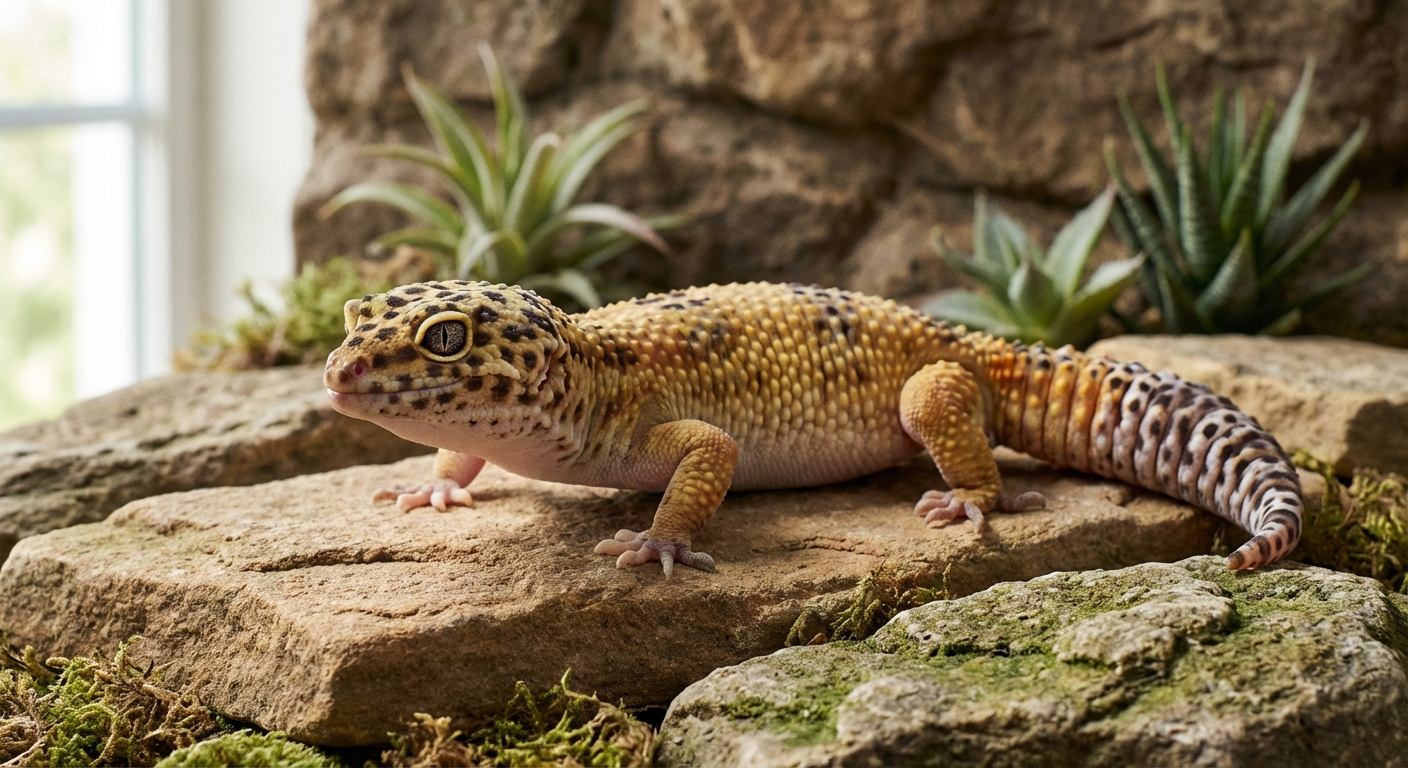
One of the most common questions from prospective leopard gecko owners is "how long do they live?" The answer is surprisingly long compared to many pets. With proper care, leopard geckos routinely live 15-20 years in captivity, with some individuals reaching 25-30 years. This guide explores the factors that influence lifespan and how you can help your gecko live its longest, healthiest life.
infoQuick Answer
Leopard geckos live 15-20 years on average in captivity with proper care. Males tend to live slightly longer than females. The oldest documented leopard gecko lived over 28 years.
Average Leopard Gecko Lifespan
In captivity, leopard geckos have an average lifespan of 15-20 years when provided with appropriate care. This makes them one of the longest-lived common pet reptiles. Their longevity means adopting a leopard gecko is a significant commitment, similar to getting a dog or cat.
Wild leopard geckos face predators, harsh conditions, and resource scarcity, resulting in shorter lifespans of approximately 6-8 years. The controlled environment of captivity, consistent food supply, and absence of predators allow pet geckos to reach their full lifespan potential.
7 Factors That Affect Leopard Gecko Lifespan
1. Genetics and Breeding
Genetics play a significant role in longevity. Geckos from reputable breeders who prioritize health over extreme morphs tend to live longer. Some designer morphs, particularly those with neurological issues like enigma syndrome, may have reduced lifespans. When choosing a gecko, prioritize health history over rare coloration.
2. Diet Quality
Nutrition directly impacts lifespan. A varied diet of gut-loaded insects with proper calcium and vitamin supplementation prevents metabolic bone disease and other deficiencies. Overfeeding leads to obesity, which strains organs and shortens life. Conversely, underfeeding stunts growth and weakens the immune system.
3. Temperature Management
Consistent, appropriate temperatures support proper digestion, immune function, and metabolism. Chronic exposure to temperatures that are too low weakens the immune system and can lead to respiratory infections. Temperatures too high cause stress and dehydration. Always use a thermostat to maintain stable temperatures.
4. Stress Levels
Chronic stress shortens lifespan. Common stressors include inadequate hiding spots, cohabitation with other geckos, frequent handling before the gecko is comfortable, loud noises, and improper lighting cycles. A stressed gecko may stop eating, become lethargic, and have a weakened immune response.
5. Breeding History (Females)
Female leopard geckos that are bred frequently tend to have shorter lifespans than non-breeding females. Egg production is physically demanding and depletes calcium reserves. If you choose not to breed your female, she may still produce infertile eggs, which is normal but still requires adequate nutrition and calcium.
6. Veterinary Care
Access to reptile veterinary care can extend lifespan by catching and treating health issues early. Annual wellness checks, prompt treatment of parasites, and addressing problems before they become severe all contribute to longevity. Find an exotic vet before you need one.
7. Husbandry Consistency
Consistent, proper husbandry over the gecko's entire life has cumulative effects. Small deficiencies that seem insignificant can compound over years. Maintaining proper temperatures, humidity, cleanliness, and nutrition consistently is more important than occasional perfection.
Male vs Female Lifespan
Male leopard geckos tend to live slightly longer than females on average. Males typically live 15-22 years, while females average 12-18 years. This difference is largely attributed to the physical demands of egg production in females. However, well-cared-for females can absolutely reach 20+ years.
Life Stages of Leopard Geckos
- check_circleHatchling (0-2 months): 3-4 inches, very delicate, feed daily
- check_circleJuvenile (2-6 months): 4-6 inches, rapid growth phase, feed daily
- check_circleSub-adult (6-12 months): 6-8 inches, growth slowing, feed every other day
- check_circleAdult (12+ months): 8-10 inches, fully grown, feed every 2-3 days
- check_circleSenior (15+ years): May slow down, reduced appetite normal, monitor weight
Frequently Asked Questions
What is the oldest leopard gecko on record?expand_more
How can I tell how old my leopard gecko is?expand_more
Do leopard geckos slow down as they age?expand_more
Will my gecko live longer with a companion?expand_more
Maximizing Your Gecko's Lifespan
Leopard geckos can be lifelong companions with proper care. Focus on consistent husbandry, quality nutrition, low stress, and access to veterinary care when needed. The investment you make in proper care pays dividends in years of companionship with your gecko.