Leopard Gecko Behavior: Understanding Your Gecko Body Language
Learn to read and understand leopard gecko behavior, from normal activities to stress signals, so you can provide the best care for your pet.
Leopard Geckos Reptiles Team
Published
infoDisclosure: This post contains affiliate links. As an Amazon Associate we earn from qualifying purchases, at no extra cost to you.
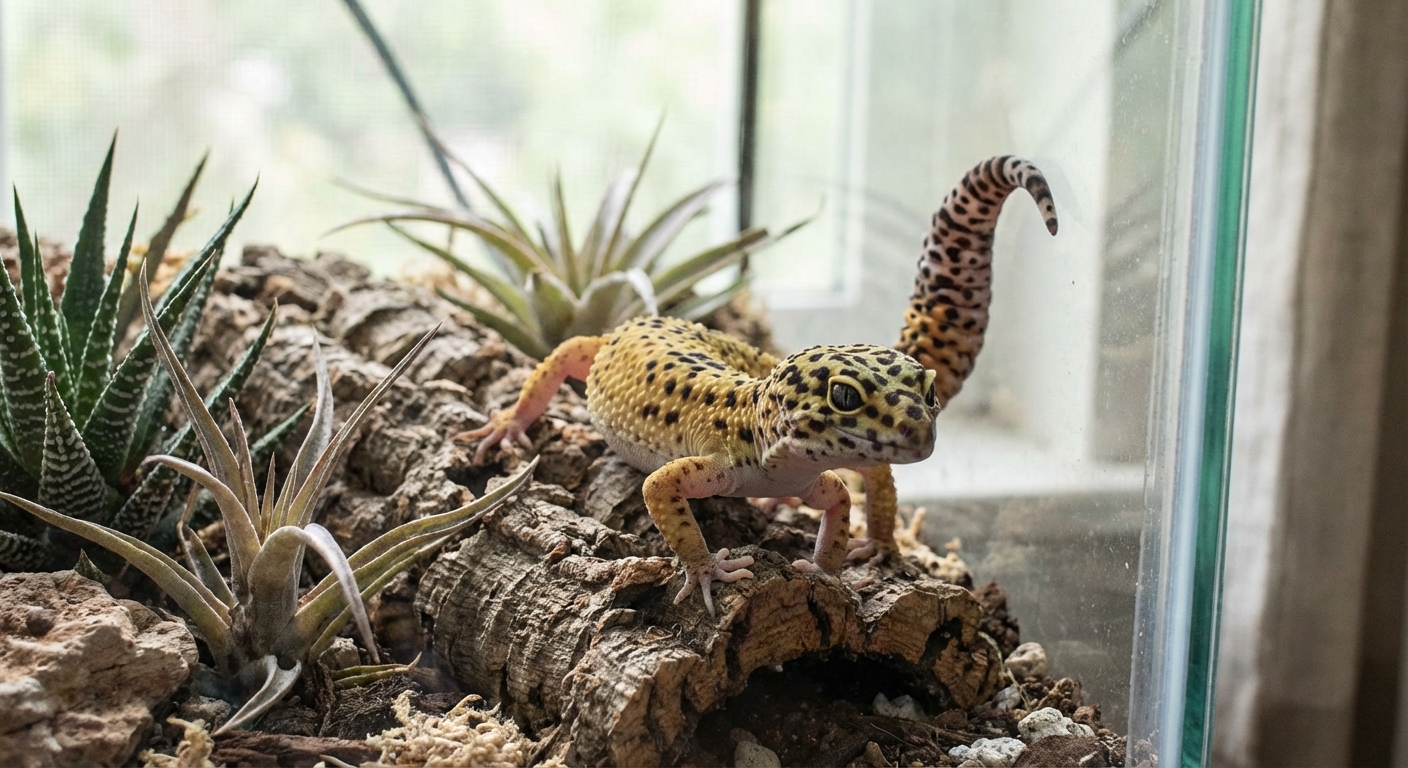
Understanding leopard gecko behavior transforms your relationship with your pet. When you can read body language, you know when your gecko is relaxed, stressed, hungry, or unwell. This knowledge helps you provide better care, avoid stressing your gecko, and recognize health issues early. This guide decodes common leopard gecko behaviors and what they mean.
infoQuick Behavior Guide
Slow blinking = relaxed and comfortable. Tail waving = warning, feeling threatened. Glass surfing = stress, wanting to explore, or environmental issue. Vocalizing (squeaking) = distress or surprise. Licking = exploring environment (normal). Slow walking with raised body = confident and relaxed.
Normal Leopard Gecko Behavior
Understanding what is normal helps you identify when something is wrong. Leopard geckos are crepuscular, meaning they are most active at dawn and dusk. During the day, hiding is completely normal, not a sign of illness or unhappiness.
Daily Activity Patterns
- check_circleMorning (dawn): Wake up, explore, may be hungry
- check_circleMidday: Hiding, sleeping, very little activity
- check_circleEvening (dusk): Most active period, hunting, exploring
- check_circleNight: Moderate activity, exploring territory
- check_circleLate night: Return to hide, sleeping
Normal Behaviors You Will Observe
- check_circleHiding during the day: Completely normal, not antisocial
- check_circleSlow, deliberate walking: Relaxed exploration
- check_circleLicking surfaces: Gathering information about environment (smelling with tongue)
- check_circleClosing eyes when petted: Sign of trust and relaxation
- check_circleDefecating in one corner: Leopard geckos are tidy and pick a bathroom spot
- check_circleTail fat changes: Normal fluctuation with feeding cycles
- check_circleColor changes: Slightly darker when cold, lighter when warm
Tail Behaviors and Their Meanings
The tail is one of the most expressive parts of a leopard gecko. Learning to read tail positions and movements tells you a lot about your gecko emotional state.
Slow Tail Waving (Side to Side)
Slow, deliberate tail waves indicate heightened awareness or mild excitement. Often seen during hunting when stalking prey. Also common when a gecko notices something new in the environment. This is alert behavior, not stress.
Fast Tail Waving/Rattling
Rapid tail shaking or rattling is a warning signal. The gecko feels threatened and is saying back off. In the wild, this would warn predators that the gecko is aware and ready to flee or fight. If you see this during handling, return the gecko to its enclosure and try again later.
Tail Raised High
A raised tail often accompanies excitement during hunting or exploring. Combined with slow stalking movements, it indicates hunting focus. During breeding season, males may raise tails as part of courtship displays.
Tail Dropped
Leopard geckos can drop their tails as a defense mechanism (caudal autotomy). This is a last-resort response to extreme stress or perceived mortal danger. The dropped tail wiggles to distract predators while the gecko escapes. Tails regrow but never look the same as the original. Prevent tail dropping by handling gently and never grabbing the tail.
Signs of Stress
Recognizing stress signs helps you adjust care before health issues develop. Chronic stress weakens immune systems and leads to illness. Address stress causes promptly.
Glass Surfing
Glass surfing is when a gecko repeatedly climbs or scratches at the glass walls. Occasional exploration is normal, but persistent glass surfing indicates: the enclosure is too small, temperatures are wrong, the gecko sees its reflection, something outside is stressful, or the gecko wants to explore (especially females during breeding season). Check husbandry first, then consider if enrichment or schedule changes might help.
Vocalizing
Leopard geckos can make squeaking, chirping, or screaming sounds. Vocalizing during handling means the gecko is stressed or frightened. Stop handling immediately and give space. Occasional chirps during other activities may indicate surprise or startle rather than serious distress.
Other Stress Indicators
- check_circleRefusing food for extended periods
- check_circleConstant hiding with no emergence (even at night)
- check_circleRapid breathing or panting
- check_circlePale, washed-out coloring (when not pre-shed)
- check_circleAggression when normally docile
- check_circleAttempting to bite
- check_circleFrequent attempts to escape
Hunting and Feeding Behavior
Watching a leopard gecko hunt is fascinating. Their hunting behaviors are instinctive and provide mental stimulation even in captivity.
- check_circleFreeze and focus: Spots prey, freezes completely, eyes locked on target
- check_circleSlow stalk: Low, deliberate approach with tail slowly waving
- check_circleQuick strike: Lightning-fast lunge to capture prey
- check_circleHead shake: Shaking prey to stun or kill before swallowing
- check_circleSwallowing: Multiple swallows to work prey down, may walk around during this
- check_circlePost-meal basking: Moving to warm area to aid digestion
Social Behavior (and Why They Are Solitary)
In the wild, leopard geckos are solitary except for breeding. They do not seek companionship or get lonely. Housing multiple geckos together causes stress and can result in bullying, food competition, and injury. What looks like cuddling is actually competition for the best basking spot.
warningCohabitation Warning
Despite what you may see online, leopard geckos should not be housed together. Stress from cohabitation is often invisible until serious injury occurs. One gecko per enclosure is the only safe approach, even for females.
Signs Your Gecko Is Comfortable With You
While leopard geckos do not feel affection in the way mammals do, they can learn to associate you with safety and positive experiences. Signs of a comfortable, well-adjusted gecko include:
- check_circleApproaching your hand willingly (food association)
- check_circleSlow blinking or closing eyes while being held
- check_circleRelaxed body posture (no tensing or fleeing)
- check_circleExploring calmly on your hands/arms
- check_circleWatching you without fear (alert but not defensive)
- check_circleComing out of hiding when they hear your voice
- check_circleEating readily in your presence
- check_circleNo stress signs during regular handling
Behavioral Signs of Health Issues
Changes in normal behavior often indicate health problems. Knowing your gecko baseline behavior helps you spot issues early.
- check_circleLethargy (less active than normal, even at night)
- check_circleLoss of appetite lasting more than 1-2 weeks
- check_circleStaying on cool side constantly (could indicate infection/fever)
- check_circleStaying on warm side constantly (could indicate digestive issue)
- check_circleLabored breathing or mouth gaping
- check_circleTwitching or trembling (possible MBD)
- check_circleDifficulty walking or uncoordinated movement
- check_circleRubbing face on objects (possible mouth rot or stuck shed)
- check_circleExcessive hiding or staying in humid hide constantly
Frequently Asked Questions
Why does my leopard gecko stare at me?expand_more
Is it normal for my gecko to sleep all day?expand_more
Why does my leopard gecko lick everything?expand_more
Do leopard geckos recognize their owners?expand_more
Why is my leopard gecko digging?expand_more
Becoming Fluent in Gecko
Learning to read your leopard gecko behavior creates a deeper connection and better care. Pay attention to your individual gecko patterns, as each has personality quirks. Over time, you will recognize what normal looks like for your gecko and quickly spot when something is off. This behavioral literacy is one of the most valuable skills you can develop as a keeper.