Leopard Gecko Tail Drop: Causes, Care & Regrowth Guide (2026)
Understand why leopard geckos drop their tails, how to care for them after tail loss, and what the regrowth process looks like.
Leopard Geckos Reptiles Team
Published
infoDisclosure: This post contains affiliate links. As an Amazon Associate we earn from qualifying purchases, at no extra cost to you.
medical_servicesVeterinary Disclaimer: This article is for educational purposes only and is not a substitute for professional veterinary advice. If your leopard gecko shows signs of illness, consult a qualified reptile veterinarian.
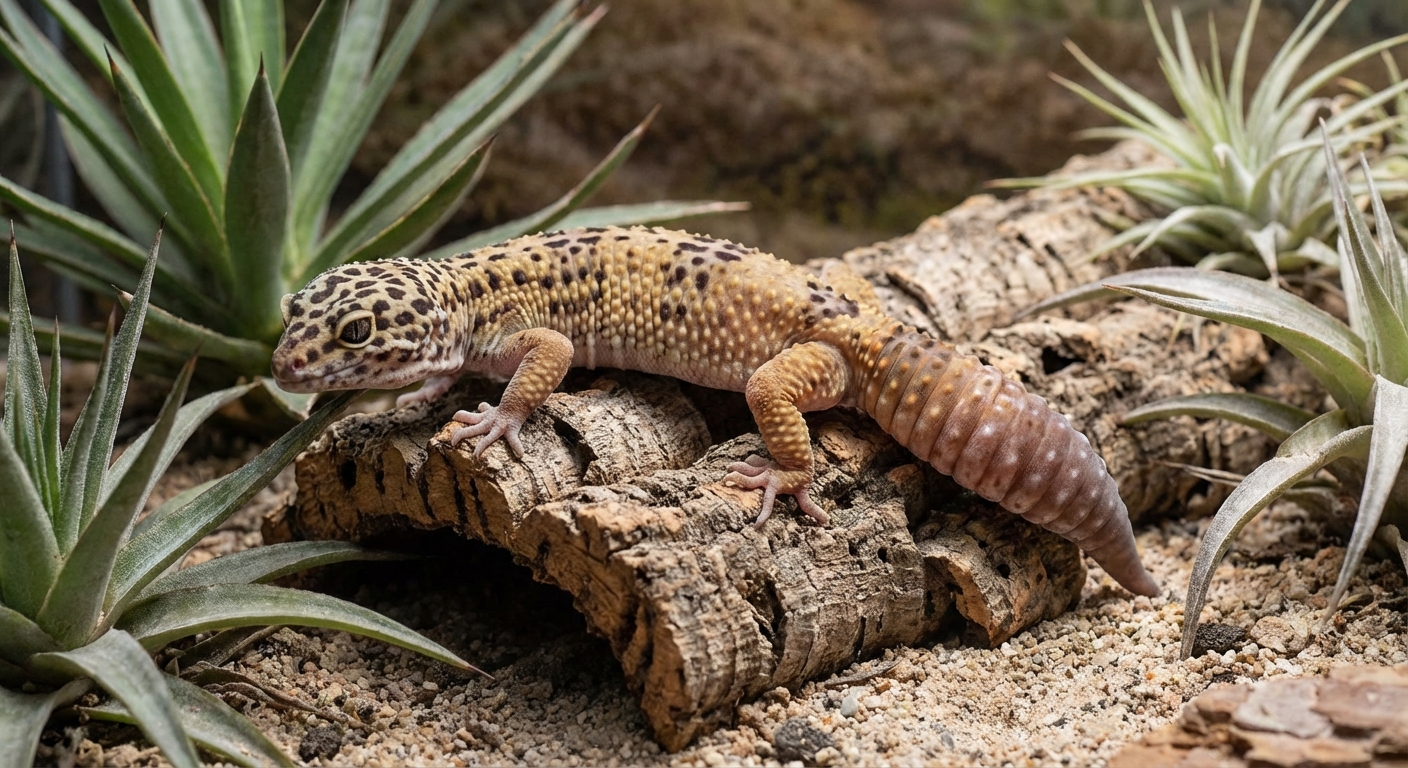
Tail dropping (caudal autotomy) is a dramatic but natural defense mechanism in leopard geckos. While startling to witness, it is a survival adaptation that allows geckos to escape predators. Understanding why it happens, how to respond, and what to expect during regrowth helps you support your gecko through this experience.
infoQuick Answer
Leopard geckos drop their tails as a last-resort defense when they feel their life is in danger. The dropped tail wiggles to distract predators while the gecko escapes. Tails regrow over 30-60 days but never look identical to the original. Proper care after tail loss includes keeping the wound clean and reducing stress.
Why Do Leopard Geckos Drop Their Tails?
Tail dropping is a survival mechanism called caudal autotomy. Specialized fracture planes in the tail vertebrae allow it to detach quickly when the gecko perceives mortal danger. The dropped tail continues wiggling for several minutes, distracting predators while the gecko escapes.
Common Causes of Tail Drop
- check_circleBeing grabbed or restrained by the tail
- check_circleAttacks from cage mates (cohabitation stress)
- check_circleExtreme fear or stress during handling
- check_circlePredator-like movements from above (triggering prey response)
- check_circleInjuries or infection in the tail requiring amputation
- check_circleAccidental crushing (tank lids, decor)
- check_circleOverly aggressive handling, especially of unsocialized geckos
warningPrevention Is Key
Never grab, pull, or restrain a leopard gecko by the tail. Approach from the side rather than above. House geckos individually to prevent aggression. Handle gently and allow the gecko to walk rather than restraining it. With proper handling, tail drops are rare.
What to Do Immediately After Tail Drop
Tail dropping is not a medical emergency, but the gecko needs calm and clean conditions to heal. Stay calm yourself, as your reaction affects the gecko stress level.
- check_circleDo not chase or grab the gecko further. Allow it to calm down and hide.
- check_circleRemove the dropped tail from the enclosure and dispose of it.
- check_circleSwitch to paper towel substrate temporarily to keep the wound clean.
- check_circleEnsure temperatures are optimal (warm side 88-92°F) to support healing.
- check_circleMinimize handling for 1-2 weeks while the wound closes.
- check_circleMonitor for signs of infection (swelling, discoloration, discharge).
The Healing Process
The tail stump forms a clot within minutes and begins healing immediately. Within days, new tissue covers the wound. The gecko may be more reclusive during this time, which is normal. Appetite usually returns within a few days to a week.
Signs of Proper Healing
- check_circleClean wound closure with no open areas after 1-2 days
- check_circleNo swelling, redness spreading up the tail, or discharge
- check_circleGecko eating and behaving normally within 1-2 weeks
- check_circleNew tail bud beginning to form within 2-3 weeks
Signs of Infection (See a Vet)
- check_circleSwelling or redness spreading from the wound
- check_circlePus or unusual discharge
- check_circleBlack or grey discoloration (necrosis)
- check_circleLethargy and refusal to eat for more than 1-2 weeks
- check_circleWound not closing or reopening
Tail Regrowth: What to Expect
Leopard geckos can regenerate their tails, but the new tail is never identical to the original. Regrowth takes approximately 30-60 days depending on the gecko age, health, and nutrition.
How the Regrown Tail Differs
- check_circleSmoother, lacks the segmented look of original
- check_circleOften shorter and bulbous (carrot or turnip shaped)
- check_circleDifferent color or pattern than original tail
- check_circleContains cartilage instead of vertebrae (cannot drop again from same spot)
- check_circleFully functional for fat storage
The regrown tail functions normally for fat storage, which is the tail primary purpose. Geckos with regrown tails live completely normal lives. Many breeders and keepers consider regrown tails a minor cosmetic difference with no impact on quality of life.
Supporting Regrowth with Nutrition
Tail regrowth requires significant energy and nutrients. Support your gecko during this time with optimal nutrition.
- check_circleFeed slightly more frequently than usual to support energy demands
- check_circleEnsure calcium and vitamin supplementation is consistent
- check_circleOffer a variety of nutritious feeders (dubia roaches are excellent)
- check_circleGut-load feeders with calcium-rich vegetables
- check_circleMaintain proper temperatures for optimal digestion
Frequently Asked Questions
Does tail dropping hurt leopard geckos?expand_more
Will my gecko tail grow back the same?expand_more
How many times can a leopard gecko drop its tail?expand_more
Should I take my gecko to the vet after tail drop?expand_more
Living with a Tailless Gecko
While tail dropping can be alarming, leopard geckos recover well with proper care. Prevent drops by handling gently, housing individually, and avoiding stress. If a drop does occur, focus on providing a clean, stress-free environment for healing. The regrown tail may look different, but your gecko will live a completely normal, healthy life with its new tail.