Leopard Gecko Health Problems: Common Issues & Prevention (2026)
Identify, prevent, and address common leopard gecko health issues with our comprehensive guide to keeping your gecko healthy.
Leopard Geckos Reptiles Team
Published
infoDisclosure: This post contains affiliate links. As an Amazon Associate we earn from qualifying purchases, at no extra cost to you.
medical_servicesVeterinary Disclaimer: This article is for educational purposes only and is not a substitute for professional veterinary advice. If your leopard gecko shows signs of illness, consult a qualified reptile veterinarian.
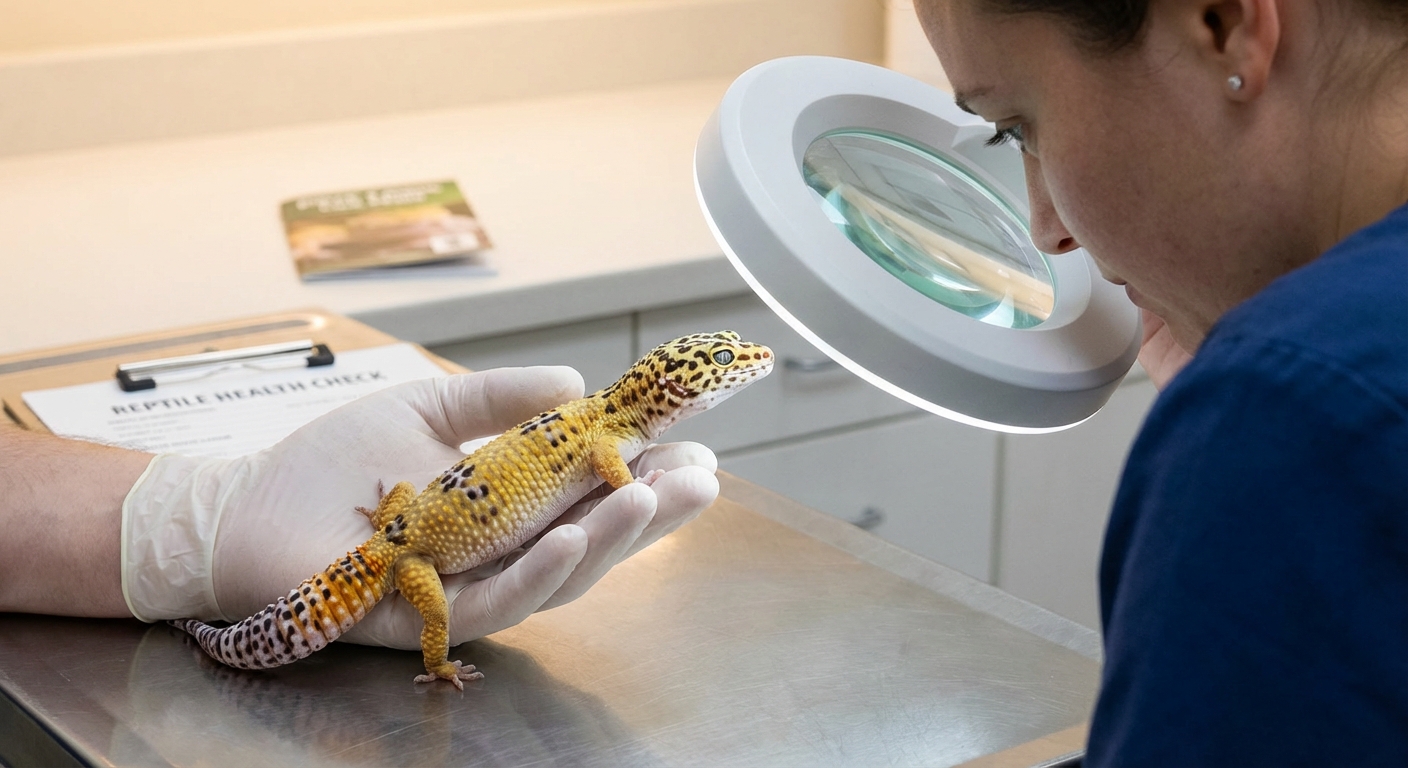
While leopard geckos are generally hardy reptiles, they can develop health issues when husbandry is incorrect or as they age. Early recognition of health problems dramatically improves treatment outcomes. This guide covers the most common leopard gecko health issues, their symptoms, prevention strategies, and when veterinary care is essential.
infoPrevention Is Key
Most leopard gecko health problems are caused by improper husbandry: wrong temperatures, poor diet, inadequate supplementation, or incorrect humidity. Maintaining proper care prevents the vast majority of health issues. When problems do occur, early veterinary intervention leads to better outcomes.
Metabolic Bone Disease (MBD)
Metabolic bone disease is one of the most common and preventable health problems in leopard geckos. It occurs when calcium or vitamin D3 is insufficient, causing the body to leach calcium from bones to maintain blood calcium levels.
MBD Symptoms
- check_circleSoft, rubbery jaw (early sign)
- check_circleBowed or bent legs
- check_circleDifficulty walking, dragging body
- check_circleTrembling or twitching
- check_circleLethargy and weakness
- check_circleReluctance to eat
- check_circleSpinal deformities in severe cases
MBD Prevention

Zoo Med Repti Calcium with D3
Phosphorus-free calcium supplement with vitamin D3 for geckos kept without UVB lighting. A trusted staple for dusting feeder insects.
- check_circlePhosphorus-free precipitated calcium carbonate
- check_circleIncludes vitamin D3 for non-UVB setups
- check_circleUltra-fine powder adheres well to insects
Dust feeder insects with calcium plus D3 at every feeding. Provide a dish of plain calcium for self-regulation. Consider low-level UVB lighting for natural D3 synthesis. Ensure proper temperatures for calcium absorption (digestion requires warmth). Gut-load feeders with calcium-rich vegetables.
warningMBD Is a Veterinary Emergency
If you suspect MBD, see a reptile veterinarian immediately. Early-stage MBD is often reversible with treatment. Advanced MBD causes permanent deformities and can be fatal. Do not attempt to treat severe MBD at home.
Impaction
Impaction occurs when indigestible material blocks the digestive tract. Common causes include loose substrates (especially calcium sand), feeder insects too large to digest properly, or dehydration causing fecal matter to harden.
Impaction Symptoms
- check_circleNo bowel movements for extended periods
- check_circleStraining to defecate without results
- check_circleLoss of appetite
- check_circleLethargy
- check_circleDark spot visible on belly (impacted material)
- check_circleBloated abdomen
- check_circleRegurgitation
Impaction Prevention and Treatment
Use safe substrates (tile, paper towels, or properly managed bioactive). Never use calcium sand, walnut shells, or gravel. Feed appropriately sized insects (no larger than the space between the gecko eyes). Maintain proper temperatures, as cold geckos cannot digest food properly. For suspected impaction, try warm baths (85°F) and gentle belly massages. If symptoms persist beyond 2-3 days, see a vet.
Respiratory Infections
Respiratory infections (RI) typically result from temperatures that are too low, excessive humidity, or drafty enclosures. Bacteria or fungus can colonize the respiratory tract when conditions are unfavorable.
RI Symptoms
- check_circleWheezing or clicking sounds when breathing
- check_circleBubbles around nose or mouth
- check_circleOpen-mouth breathing
- check_circleMucus discharge from nose
- check_circleLethargy and loss of appetite
- check_circleExtended time on warm side (attempting to self-treat)
RI Treatment
Respiratory infections require veterinary treatment with antibiotics. Raise temperatures to the upper end of the acceptable range. Reduce humidity in the main enclosure. Ensure proper ventilation without drafts. Do not delay treatment, as RI can progress rapidly and become fatal.
Stuck Shed (Dysecdysis)
Retained shed occurs when old skin does not come off completely. While not immediately life-threatening, stuck shed on toes and tail tip can cut off circulation and cause tissue death if not addressed.
Prevention and Treatment
Maintain a humid hide with damp substrate at all times. Check your gecko after every shed, especially toes and tail tip. Treat stuck shed with 10-15 minute warm water soaks followed by gentle removal with a wet cotton swab. For stuck eye caps, see a veterinarian rather than attempting removal yourself.
Internal Parasites
Many leopard geckos, especially those from pet stores or unclear sources, carry internal parasites like pinworms or coccidia. Low-level infections may cause no symptoms, but stress or immune suppression can allow parasite populations to explode.
Parasite Symptoms
- check_circleWeight loss despite eating well
- check_circleChronic diarrhea or abnormal feces
- check_circleVisible worms in feces (pinworms)
- check_circleBloated abdomen
- check_circleLethargy
- check_circlePoor body condition despite good husbandry
Diagnosis requires a fecal exam by a veterinarian. Treatment involves anti-parasitic medications dosed by weight. New geckos should have a fecal test within the first few weeks of ownership. Annual fecals are recommended for all geckos.
Mouth Rot (Stomatitis)
Stomatitis is a bacterial infection of the mouth tissues. It often begins after a mouth injury, feeding hard-shelled insects, or from systemic illness weakening the immune system.
Mouth Rot Symptoms
- check_circleRedness or swelling around the mouth
- check_circleCheesy or cottage-cheese-like material in mouth
- check_circleExcessive drooling
- check_circleRubbing face on objects
- check_circleRefusal to eat
- check_circleBad smell from mouth area
Mouth rot requires veterinary treatment with antibiotics and often antiseptic rinses. Left untreated, it spreads and can become systemic. Early treatment leads to full recovery.
Cryptosporidiosis (Crypto)
warningSerious and Contagious
Cryptosporidiosis is a serious parasitic infection that is highly contagious between reptiles and currently has no cure. Infected geckos become carriers for life. Strict quarantine and testing are essential when adding new geckos to a collection.
Crypto causes progressive weight loss, stick tail (severe muscle wasting), regurgitation, and eventual death. There is no cure, only supportive care. Prevent by purchasing from reputable breeders who test for crypto and quarantining all new animals.
When to See a Veterinarian
- check_circleAny breathing problems (wheezing, open mouth, bubbles)
- check_circleTrembling, twitching, or difficulty walking
- check_circleNo eating for more than 2 weeks (adults) or 1 week (juveniles)
- check_circleVisible injuries, wounds, or prolapse
- check_circleSwelling anywhere on the body
- check_circleAbnormal feces for more than a few days
- check_circleRapid or dramatic weight loss
- check_circleEye problems (swelling, discharge, stuck caps)
- check_circleAny condition that worsens despite husbandry corrections
Find a reptile-experienced veterinarian before you need one. Not all vets are comfortable with reptiles. Exotic or reptile-specific veterinary clinics are ideal. The Association of Reptile and Amphibian Veterinarians (ARAV) has a vet locator tool.
Frequently Asked Questions
How do I know if my leopard gecko is sick?expand_more
Can leopard geckos recover from MBD?expand_more
How often should I take my gecko to the vet?expand_more
What should I have in a leopard gecko first aid kit?expand_more
Prevention Through Good Husbandry
The vast majority of leopard gecko health problems are preventable through proper husbandry. Maintain correct temperatures, supplement appropriately, use safe substrates, and provide a clean environment. When health issues do occur, early recognition and veterinary care give your gecko the best chance of recovery. Build a relationship with a reptile vet before emergencies arise, and do not hesitate to seek professional help when something seems wrong.