Why Is My Leopard Gecko Pale? 7 Causes and When to Worry
A pale leopard gecko is usually about to shed, but cool temperatures, dehydration, stress, age, and illness can also fade color. Here is how to tell them apart.
Leopard Geckos Reptiles Team
Published · Last updated
infoDisclosure: This post contains affiliate links. As an Amazon Associate we earn from qualifying purchases, at no extra cost to you.
medical_servicesVeterinary Disclaimer: This article is for educational purposes only and is not a substitute for professional veterinary advice. If your leopard gecko shows signs of illness, consult a qualified reptile veterinarian.
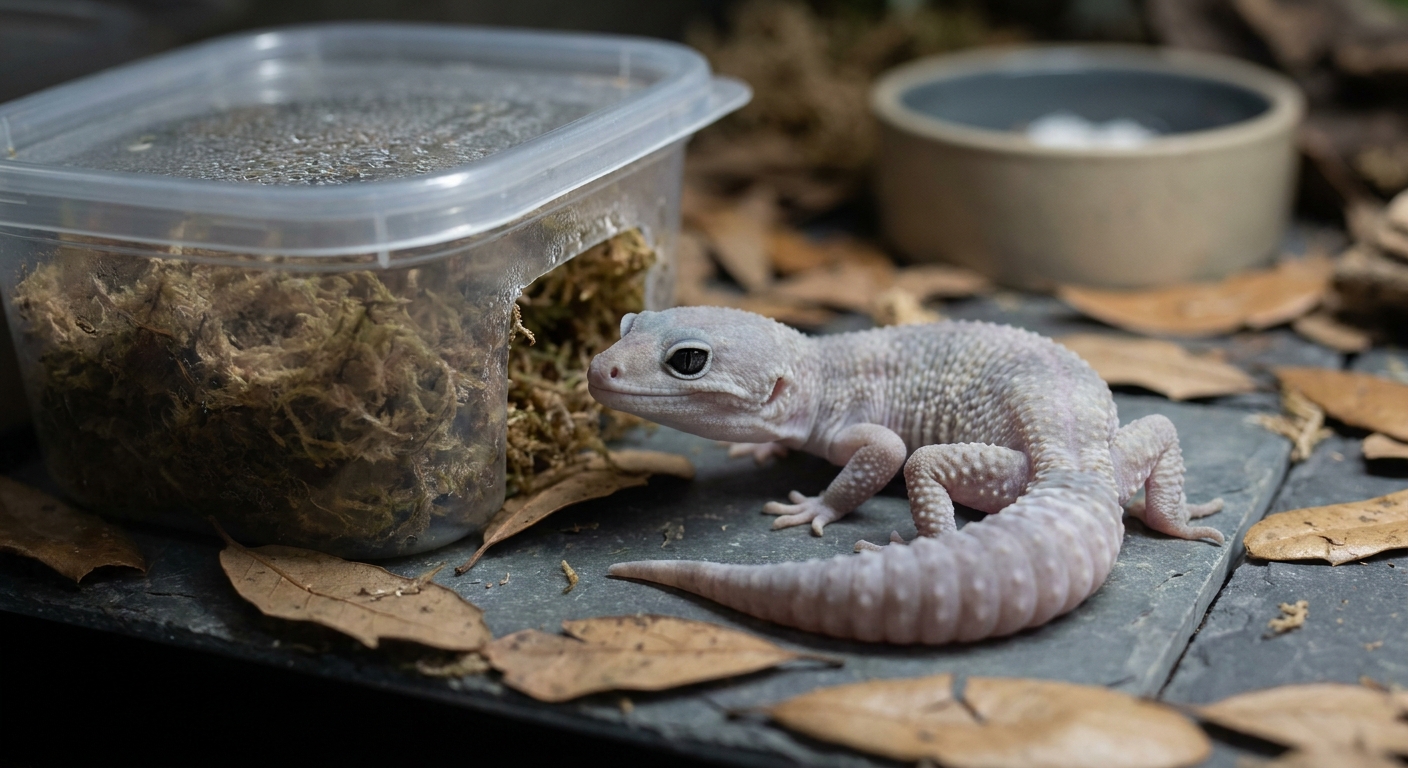
A leopard gecko usually turns pale because it is about to shed. Fluid builds up between the old skin and the new skin, so the whole body looks dull, grayish, or almost white for one to three days, and normal color returns within about a day of the shed. Less common causes are a cool enclosure, dehydration, stress, natural color change with age, poor diet, and illness.
infoQuick Answer
A leopard gecko turning white or gray all over is usually about to shed, and color returns within about 24 hours of the shed. If your gecko stays pale for more than a week without shedding, or paleness comes with appetite loss, weight loss, or lethargy, contact a reptile veterinarian.
What Makes a Leopard Gecko Turn Pale?
Leopard gecko color is not fixed. It shifts with the shedding cycle, body temperature, mood, age, and overall health, so a pale gecko is not automatically a sick gecko. In most cases the change is completely normal.
The key is the pattern. Whole-body graying that resolves in a few days points to a shed. Gradual dulling points to temperature, stress, or age. Paleness that lingers and pairs with other symptoms is the version worth taking seriously. Here are the seven causes, starting with the most likely.
1. An Approaching Shed (Most Likely)
Before a shed, a layer of fluid forms between the old skin and the new skin underneath, which makes the whole gecko look dull, grayish, or almost white. This pale phase typically lasts one to three days before the skin comes off. Adults shed about once every four to eight weeks, while fast-growing juveniles can shed every one to two weeks. During this window, keep the humid hide moist and skip handling until the shed is finished.
2. Temperature Too Low
Leopard geckos often darken to absorb more heat and brighten when warm, so a chronically cool enclosure can leave a gecko looking dull or washed out, and cold geckos also become sluggish and digest food poorly. Check your setup with a digital thermometer: the warm side should sit around 88-92°F (31-33°C) with a cool side around 70-77°F (21-25°C). If readings are low, fix the heat source before assuming a health problem.
3. Dehydration
A dehydrated gecko tends to look dull or ashy rather than evenly gray. Other signs are wrinkled or loose-looking skin, sunken eyes, thick or sticky saliva, and sheds that come off in patches or stick to the toes and tail tip. Keep a shallow dish of fresh water in the enclosure at all times and keep the humid hide damp. Dehydration usually has a cause behind it, such as an enclosure that runs too hot or an underlying illness, so if the signs have not cleared a few days after you fix water and humidity, see a reptile veterinarian.
4. Stress or a New Environment
Stress changes color in many reptiles, and leopard geckos are no exception. A recent move to a new enclosure, loud noise, excessive handling, or a lack of hides can all leave a gecko looking faded. Newly purchased geckos commonly look pale for their first one to two weeks while they settle in. Provide at least three hides, keep handling minimal at first, and color usually improves as the gecko relaxes.
5. Natural Color Change With Age
Many leopard geckos simply change color as they grow. Juvenile banding often breaks into spots, and some morphs lighten noticeably between hatching and adulthood. Certain lines, such as Super Snows or Blizzards, can shift shade over years. If the fading has been gradual over months, your gecko is eating well, and its weight is stable, age-related change is the likely explanation and no action is needed.
6. Nutritional Deficiency
Poor diet can dull a gecko's color over time. Feeder insects that are not gut-loaded, missing calcium or vitamin D3 supplementation, or a diet limited to one insect type can all contribute to a washed-out appearance alongside slow growth. Offer a varied menu of gut-loaded insects, dust feedings with calcium as appropriate for your gecko's age, and use a multivitamin as directed on the product label. If color and body condition do not improve, ask a reptile veterinarian to review the diet.
7. Illness
Paleness on its own is rarely the first sign of disease, but paleness paired with other symptoms can be. Watch for lethargy, refusing food, visible weight loss, a thinning tail, or sunken eyes, which suggest dehydration or an underlying condition. Parasites, infections, and organ problems can all sap color along with energy. This combination is not something to diagnose at home, so schedule an exam with a reptile veterinarian.
When Should You Worry?
Use two simple rules. First, paleness plus not eating plus weight loss is a vet visit, because that combination points to illness rather than a normal shed. Second, paleness that lasts more than a week without a shed arriving also warrants a call to a reptile veterinarian, since pre-shed graying should resolve within a few days.
In between those extremes, be patient. An active, well-fed gecko that looks pale for a couple of days is almost certainly getting ready to shed. Note the date, keep the humid hide damp, and confirm the shed comes off cleanly, including the toes and tail tip.
warningNever Peel Skin That Has Not Lifted
If stuck shed remains after a shed, do not pull or peel skin that has not lifted on its own. Forcing it can tear the new skin underneath and cause injury. Instead, let the gecko soak on a damp paper towel in a ventilated container for 15-20 minutes, then gently roll loosened pieces off with a cotton swab. If shed stays stuck on the toes or eyes, contact a reptile veterinarian.
Why Is My Leopard Gecko Pale but Not Shedding?
Usually the shed has not happened yet, or it already happened and you missed it. The pale phase can last up to three days before the old skin starts to lift, and most leopard geckos eat their shed skin, often overnight, so a gecko can go pale, shed, and look normal again without leaving anything behind.
If your gecko has stayed pale for more than a week with no shed, work through the other causes. Check the warm side and cool side with a digital thermometer, look for the dehydration signs above, and think about recent changes to the enclosure or routine. If none of those explain it, book a reptile veterinarian.
Why Is My Leopard Gecko Pale and Not Eating?
A day or two of skipped meals during the pale phase is normal. Many geckos stop eating shortly before a shed and start again once it is finished. It becomes a concern when the gecko still refuses food after the shed, when no shed ever arrives, or when the tail is getting thinner. A cool enclosure is a common husbandry cause of poor appetite, so check temperatures first. Paleness, food refusal, and weight loss together are a reason to see a reptile veterinarian.
What Does an Unhealthy Leopard Gecko Look Like?
Pale color on its own rarely means illness. The signs that do call for a reptile veterinarian, with or without paleness, fall into three groups. Body condition: a thin or shrinking tail, hip bones you can see, or sunken eyes. Behavior: lethargy such as staying in one hide day and night, eyes kept closed while awake, or refusing several meals when no shed is coming. Physical changes: stuck shed that stays on the toes, tail tip, or around the eyes, a soft, bent, or swollen jaw or limbs (which can point to metabolic bone disease), wheezing, open-mouth breathing or bubbles around the nose or mouth, and runny stool or undigested insects in the stool.
Frequently Asked Questions
How long does a leopard gecko stay pale before shedding?expand_more
Why is my leopard gecko turning white but not shedding?expand_more
How do I tell if my leopard gecko is dehydrated?expand_more
Is it normal for a leopard gecko to turn white?expand_more
Do leopard geckos eat their shed skin?expand_more
Can low temperatures make a leopard gecko pale?expand_more
Should I handle my leopard gecko while it is pale?expand_more
The Bottom Line
If you are wondering why your leopard gecko is pale, the answer is usually the simplest one: a shed is on the way, and normal color will return within a few days. Rule out cool temperatures, dehydration, recent stress, and gradual age-related fading before assuming anything is wrong. Reserve real concern for paleness that lasts more than a week without a shed, or that arrives with appetite loss, weight loss, or lethargy. If your leopard gecko shows signs of illness, consult a reptile veterinarian. This guide is for informational purposes and does not replace professional veterinary advice.