Leopard Gecko Price Guide: How Much Do They Cost? (2026)
Discover the true cost of owning a leopard gecko, from initial purchase price to complete setup costs and ongoing monthly expenses.
Leopard Geckos Reptiles Team
Published
infoDisclosure: This post contains affiliate links. As an Amazon Associate we earn from qualifying purchases, at no extra cost to you.
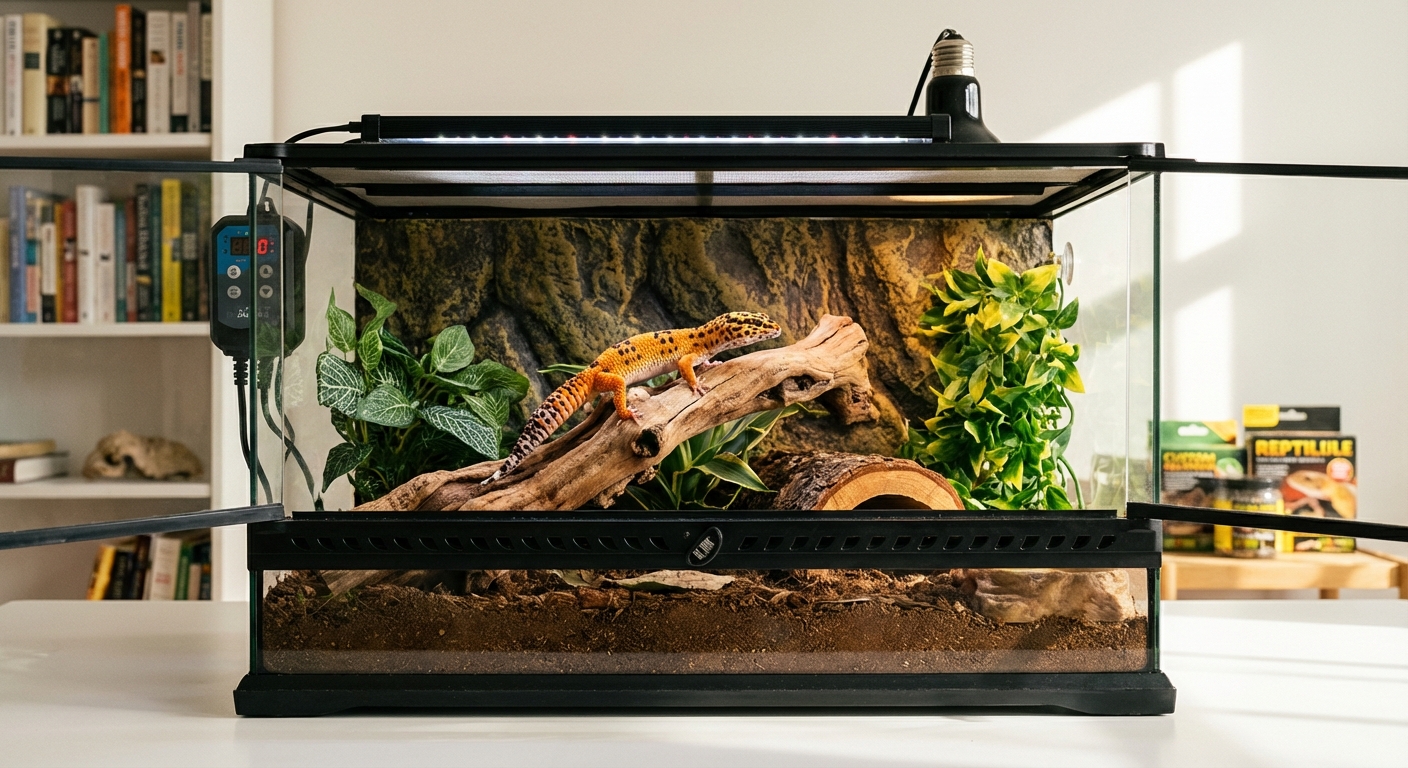
Before bringing home a leopard gecko, understanding the true cost of ownership helps you budget properly and avoid surprises. The gecko itself is often the least expensive part of the equation. This comprehensive price guide covers everything from the initial gecko purchase to complete setup costs and ongoing monthly expenses, helping you make an informed decision about this 15-20 year commitment.
infoQuick Cost Summary
Leopard gecko purchase: $30-$100 (normal morphs) to $500-$3,000+ (rare morphs). Complete setup cost: $200-$500. Monthly expenses: $20-$40 (feeders, supplements, electricity). Total first-year cost: $400-$800 for a basic setup with a normal morph gecko.
How Much Does a Leopard Gecko Cost?
Leopard gecko prices vary dramatically based on morph (color pattern), age, lineage, and where you purchase. Normal (wild-type) leopard geckos are the most affordable, while rare designer morphs can cost thousands of dollars.
Price by Morph Type
- check_circleNormal/Wild-type: $30-$50 - Classic yellow with black spots, most affordable and hardy
- check_circleHigh Yellow: $50-$75 - Enhanced yellow coloring, slight premium
- check_circleTangerine: $75-$150 - Orange coloring, popular and affordable
- check_circleAlbino strains (Tremper, Bell, Rainwater): $100-$200 - Reduced pigmentation, red eyes
- check_circleBlizzard: $100-$250 - Solid pale/white coloring, no pattern
- check_circleMurphy Patternless: $100-$200 - Solid color, no spots
- check_circleGiant/Super Giant: $150-$400 - Larger than normal, impressive size
- check_circleBlack Night: $1,000-$3,000+ - Extremely dark, rare and expensive
- check_circleEnigma combinations: $200-$500 - Unique patterns but potential neurological issues
- check_circleDesigner combos (multi-trait): $300-$2,000+ - Multiple morphs combined
lightbulbFirst-Time Owner Recommendation
Start with a normal or high yellow leopard gecko for $30-$75. They are just as healthy and personable as expensive morphs, often hardier, and let you learn proper husbandry without a huge financial risk. You can always add a fancy morph later once you have experience.
Where to Buy and Price Differences
Pet Stores
Chain pet stores typically sell normal morphs for $40-$60. Advantages include convenience and return policies. Disadvantages include unknown lineage, potentially poor early care, higher parasite risk, and limited morph selection. Local independent reptile shops often have better quality and more variety.
Reptile Expos
Reptile expos offer the best selection and often competitive pricing. You can meet breeders face-to-face, see multiple animals, and negotiate prices. Prices are often 10-20% lower than online. The downside is expo dates are limited and impulse purchases are tempting.
Online Breeders
Reputable online breeders offer the widest selection of morphs with known genetics and lineage. Prices vary widely based on morph rarity. Shipping typically costs $40-$75 additional. Research breeders thoroughly, check reviews, and ensure they offer live arrival guarantees.
Rescues and Rehoming
Adopting a leopard gecko from a rescue or rehoming situation costs $20-$50 on average, sometimes including basic supplies. This is the most affordable option and gives a gecko a second chance. The downside is unknown history and potential health issues, though many rehomed geckos are perfectly healthy.
Complete Setup Costs
The enclosure and equipment typically cost more than the gecko itself. Here is a complete breakdown of what you need and typical price ranges.
Essential Equipment
- check_circleEnclosure (40 gallon): $80-$200 - Glass terrarium or PVC enclosure
- check_circleHeating equipment: $25-$70 - Heat mat ($15-25) or deep heat projector ($40-70)
- check_circleThermostat: $25-$100 - Essential for safety, do not skip this
- check_circleThermometers (2): $15-$30 - Digital probes for warm and cool sides
- check_circleInfrared temp gun: $15-$25 - For checking surface temperatures
- check_circleHides (3 minimum): $20-$45 - Warm, cool, and humid hides
- check_circleWater dish: $5-$15 - Shallow, sturdy dish
- check_circleCalcium dish: $3-$8 - Small dish for calcium powder
- check_circleSubstrate: $0-$40 - Paper towels (free) to slate tile ($20-40)
- check_circleHumid hide substrate: $5-$15 - Sphagnum moss or eco earth
Budget vs Optimal Setup Costs
- check_circleMinimum budget setup: $150-$200 - 20-gallon tank, heat mat, basic thermostat, essential supplies
- check_circleRecommended setup: $250-$350 - 40-gallon tank, quality heating, good thermostat, complete supplies
- check_circlePremium setup: $400-$600 - Large PVC enclosure, DHP, dimming thermostat, bioactive-ready
Ongoing Monthly Expenses
After initial setup, leopard geckos are relatively inexpensive to maintain. Monthly costs depend on feeder type, feeding frequency, and local prices.
Feeder Insects
- check_circleCrickets: $10-$20/month - Most affordable option, widely available
- check_circleDubia roaches: $15-$30/month - More nutritious, can start a colony to reduce costs
- check_circleMealworms: $8-$15/month - Budget option, can be refrigerated
- check_circleVariety feeders (hornworms, waxworms): $5-$15/month - Treats and variety
Supplements
- check_circleCalcium with D3: $8-$15 (lasts 3-6 months)
- check_circleMultivitamin: $8-$12 (lasts 4-6 months)
- check_circleMonthly supplement cost: approximately $3-$5/month
Electricity
Heating equipment runs 24/7, but leopard gecko heating is efficient. Expect $3-$8/month added to your electric bill depending on your setup, local rates, and room temperature. Heat mats use 8-16 watts, DHPs use 50-80 watts (thermostat-controlled, so not full power constantly).
Total Monthly Cost Estimate
Typical monthly expenses run $20-$40 for an adult leopard gecko. This includes feeders ($15-$25), supplements ($3-$5), electricity ($3-$8), and occasional supply replacements.
Veterinary Care Costs
While leopard geckos are generally healthy with proper husbandry, veterinary care should be budgeted for emergencies and wellness checks.
- check_circleNew gecko wellness exam: $50-$100 - Recommended within first week of ownership
- check_circleFecal parasite test: $25-$50 - Checks for internal parasites
- check_circleStandard sick visit: $50-$150 - Examination and diagnosis
- check_circleMedications: $15-$50 - Antibiotics, anti-parasitics as needed
- check_circleX-rays if needed: $75-$150 - For impaction or egg-binding concerns
- check_circleEmergency/after-hours visit: $150-$300+ - Hopefully never needed
warningBudget for Emergencies
Set aside $200-$500 as a veterinary emergency fund. Reptile vet visits are expensive, and having funds available means you can get care promptly when needed rather than waiting and hoping. Many health issues are treatable if caught early.
First Year Total Cost Breakdown
- check_circleBudget scenario: Gecko ($40) + Setup ($180) + First year expenses ($250) + Vet fund ($200) = $670 total
- check_circleRecommended scenario: Gecko ($75) + Setup ($300) + First year expenses ($350) + Vet fund ($300) = $1,025 total
- check_circlePremium scenario: Gecko ($200+) + Setup ($500) + First year expenses ($400) + Vet fund ($500) = $1,600+ total
Tips for Saving Money
- check_circleStart a dubia roach colony: Initial investment of $50-$100 can eliminate feeder costs long-term
- check_circleBuy enclosures used: Craigslist, Facebook Marketplace often have tanks at 50-70% off retail
- check_circleUse slate tile substrate: One-time purchase, lasts forever, saves on recurring substrate costs
- check_circleShop reptile expos: Equipment and geckos often discounted 10-30%
- check_circleBuy feeders in bulk: 500-1000 count orders are cheaper per insect than small quantities
- check_circleSkip unnecessary decor: Geckos need hides and function over expensive decorations
- check_circleChoose normal morphs: Same personality and care needs as expensive morphs
Frequently Asked Questions
Are leopard geckos expensive pets?expand_more
Why are some leopard geckos so expensive?expand_more
Is it cheaper to buy a leopard gecko kit?expand_more
How much does it cost per month to keep a leopard gecko?expand_more
Should I get a cheap or expensive leopard gecko?expand_more
Is a Leopard Gecko Worth the Cost?
Leopard geckos offer excellent value as pets. For a first-year investment of $400-$800 and ongoing costs of $20-$40 monthly, you get a fascinating, long-lived companion that is interactive, low-maintenance, and endlessly entertaining. The key is budgeting properly upfront, investing in quality equipment (especially heating and thermostats), and setting aside an emergency veterinary fund. With proper planning, leopard gecko ownership is affordable and rewarding for beginners and experienced keepers alike.