Do Leopard Geckos Bite? (And Does It Hurt?)
Leopard geckos can bite, but they almost never do. Here is why bites are rare, what one feels like, and how to avoid them completely.
Leopard Geckos Reptiles Team
Published
infoDisclosure: This post contains affiliate links. As an Amazon Associate we earn from qualifying purchases, at no extra cost to you.
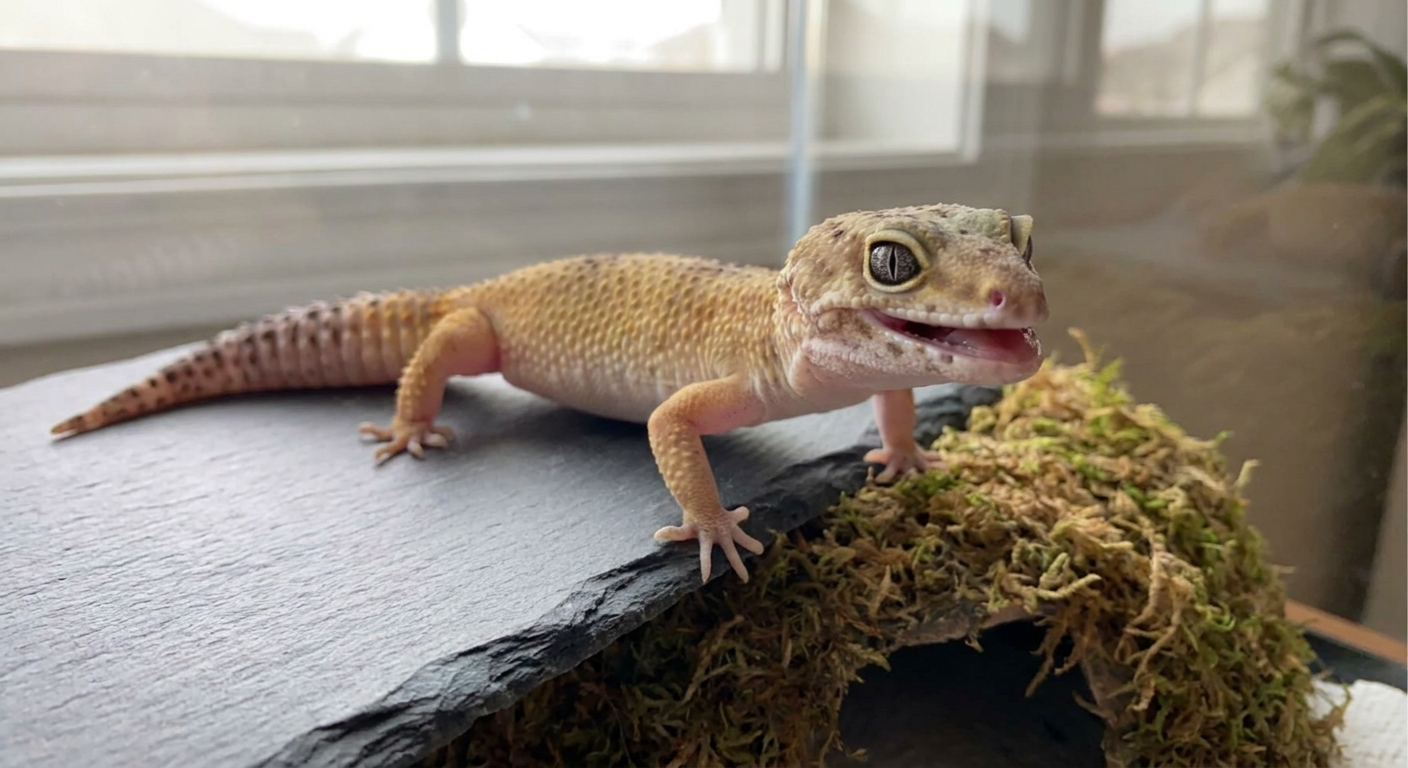
Leopard geckos can bite, but they rarely do. Biting is a last resort for this famously docile species, and when it happens the bite feels like a light pinch. Adult leopard geckos almost never break skin, and juveniles are too small to break skin at all.
infoQuick Answer
Yes, leopard geckos can bite, but bites are rare and mild. A leopard gecko bite feels like a light pinch, and adults almost never break skin. Most bites come from feeding mistakes or startling the gecko, not aggression, and both are easy to prevent with slow, predictable handling.
The Complete Answer
Leopard geckos are one of the most docile lizards in the pet trade, which is a big part of why they are so popular with beginners. A well socialized adult will usually tolerate calm handling without any defensive behavior at all. Biting sits at the very bottom of their list of responses to a perceived threat.
When a leopard gecko feels unsafe, its first instinct is flight, not fight. It will freeze, back away, or dart for the nearest hide long before it considers using its mouth. If escape fails, the species has a more dramatic defense than biting: dropping its tail. The detached tail wriggles to distract a predator while the gecko escapes, and this tail-drop reflex is the primary defense leopard geckos rely on in the wild.
Because biting is such a low-priority behavior, a bite from your leopard gecko is almost always a signal that something specific went wrong in that moment. It is not a sign that you have an aggressive animal. Identify the trigger, adjust your approach, and repeat bites are unlikely.
Why Would a Leopard Gecko Bite?
Nearly every leopard gecko bite traces back to one of five triggers. Understanding them helps you answer the question "why did my leopard gecko bite me" and prevent the next one.
- check_circleFeeding response mistake: Hands that smell like crickets, mealworms, or dubia roaches can trigger a strike. The gecko is not attacking you, it simply mistook a finger for food. This is the single most common cause of bites.
- check_circleA grab from above: Reaching down and closing your hand over a leopard gecko mimics how a bird or snake would strike. A startled gecko may whip around and nip in self-defense.
- check_circleAn unsocialized juvenile: Young geckos that have not learned that hands are safe are more defensive by default. Juveniles under six months old are the most likely age group to attempt a nip.
- check_circleBreeding-season males: During breeding season, mature males can become territorial and may bite hands they perceive as a rival. This behavior usually fades once the season ends.
- check_circlePain or illness: A gecko that suddenly bites during normal handling may be sore, injured, or unwell. If biting appears alongside other changes, such as appetite loss or lethargy, consult a reptile veterinarian.
Does a Leopard Gecko Bite Hurt?
For most people, no. A leopard gecko bite feels like a firm pinch from a clothespin, and it is over in a second or two. Leopard geckos have around 100 tiny, closely packed teeth, but those teeth are designed for gripping insects, not tearing, so they typically do not break human skin.
Size matters here. A juvenile leopard gecko cannot break skin at all, and its bite registers as little more than light pressure. A large adult delivering a determined feeding-response bite might leave small red marks or, rarely, a tiny break in the skin. Even then the bite is far milder than a bite from a cat, a hamster, or most other common pets.
What to Do If You Are Bitten
If a bite does happen, your calm response protects both you and the gecko. Follow these three steps.
- check_circle1. Do not yank your hand away. Pulling back sharply can injure the gecko's jaw or teeth, and it can fling the animal to the floor. Most geckos release within a second or two on their own.
- check_circle2. Set the gecko down gently. Lower your hand into the enclosure and let the gecko step off near a hide. Give it time to settle before you try handling again.
- check_circle3. Wash the area with soap and water. Even if the skin is unbroken, wash your hands as a basic hygiene step, the same as after any reptile contact. If skin is broken, clean the spot and cover it with a bandage.
How to Avoid Bites
A few simple habits remove almost every bite trigger. Build them into your routine and bites become a non-issue.
- check_circleFeed with tongs, not fingers. Offering insects with feeding tongs keeps your fingers out of strike range and teaches your gecko that food never comes directly from a hand.
- check_circleWash your hands before handling. Removing insect scent prevents the feeding-response mistake that causes most bites.
- check_circleScoop from the side, not from above. Slide an open hand along the floor of the enclosure and let the gecko walk onto your palm instead of grabbing it from overhead.
- check_circleSkip handling during shedding. Shedding geckos are irritable and their new skin is sensitive, so wait until the shed is complete.
- check_circleKeep sessions short and predictable. Start with five to ten minutes, move slowly, and end the session before the gecko becomes restless.
Frequently Asked Questions
Do leopard gecko bites hurt?expand_more
Are leopard gecko bites dangerous or venomous?expand_more
Why did my leopard gecko bite me out of nowhere?expand_more
Will my leopard gecko become aggressive if it bites once?expand_more
Do baby leopard geckos bite more than adults?expand_more
The Bottom Line
So, do leopard geckos bite? They can, but for this gentle species biting is a last resort, and a bite feels like nothing more than a light pinch. Wash your hands before handling, feed with tongs, approach from the side, and give your gecko space during sheds. Do those four things and you may keep a leopard gecko for its entire 15 to 20 year lifespan without ever being bitten.