Best Substrate for Leopard Geckos: Safe Options Reviewed (2026)
Find the safest and best substrate for your leopard gecko with our comprehensive review of tile, paper, carpet, and bioactive options.
Leopard Geckos Reptiles Team
Published
infoDisclosure: This post contains affiliate links. As an Amazon Associate we earn from qualifying purchases, at no extra cost to you.
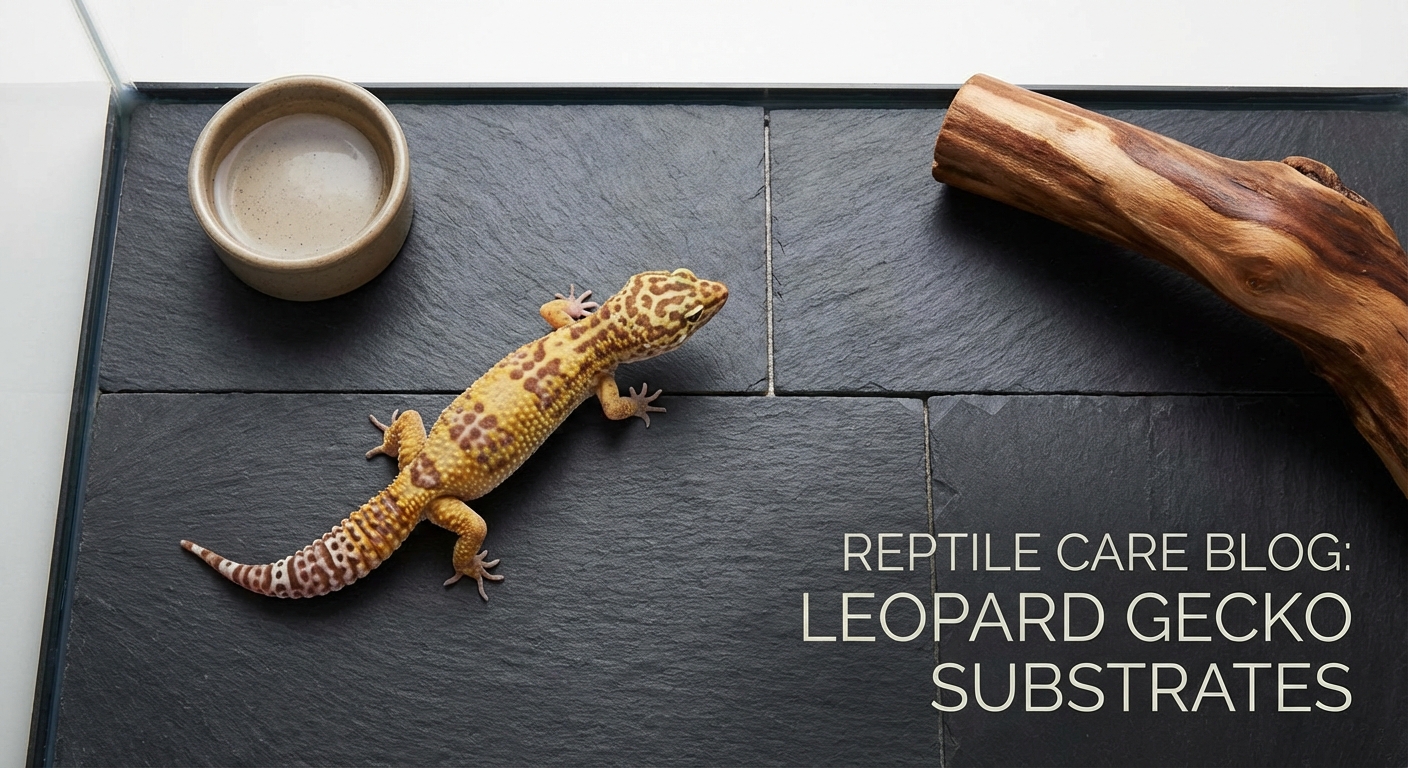
Choosing the right substrate is crucial for leopard gecko health and safety. The wrong substrate can cause impaction, respiratory issues, and hygiene problems. The right substrate makes maintenance easy while keeping your gecko safe. This guide reviews all major substrate options with honest pros and cons.
infoOur Top Substrate Picks
Best Overall: Slate or ceramic tile (safe, easy to clean, aids nail wear). Best Budget: Paper towels (zero risk, easy replacement). Best Naturalistic: Bioactive setup with proper cleanup crew. Avoid: Loose calcium sand, walnut shells, and any fine particle substrate for juveniles.
Understanding Impaction Risk
Impaction occurs when a gecko ingests substrate that cannot be digested or passed. The material accumulates in the digestive tract, causing blockages that can be fatal. Young geckos and those with improper husbandry are at highest risk.
Impaction risk depends on substrate type, particle size, husbandry quality (especially temperature), gecko age, and overall health. A healthy adult gecko with proper temperatures on appropriate loose substrate has low impaction risk. A juvenile on calcium sand with inadequate heat has high risk.
Best Overall: Slate Tile

Reptile Slate Tile (30 x 20 cm)
Natural slate with hand-polished edges and non-slip pads underneath. Zero impaction risk, wipes clean in seconds, and it conducts belly heat from an under-tank heater the way loose substrate cannot.
- check_circleZero impaction risk at any age
- check_circleNatural stone conducts heat from an under-tank heater
- check_circleWipes clean in seconds
Slate tile has become the gold standard substrate for leopard geckos, recommended by experienced keepers and veterinarians alike. Natural slate tiles are available at home improvement stores and can be cut to fit any enclosure.
Slate Tile Advantages
- check_circleZero impaction risk: No particles to ingest
- check_circleExcellent heat retention: Conducts warmth from under tank heaters
- check_circleNatural nail maintenance: Rough texture wears down nails
- check_circleEasy cleaning: Wipe down or remove for deep cleaning
- check_circleLooks natural: Attractive slate appearance
- check_circleAffordable: One-time purchase lasts lifetime
Slate Tile Disadvantages
- check_circleSizing: hardware store tiles need a tile cutter or a cut-to-size service, though pre-cut reptile slate avoids that step
- check_circleHeavy: Large tiles can be cumbersome
- check_circleLess naturalistic than bioactive: Does not allow burrowing
- check_circleCold spots: Ensure proper heating, tiles can get cold on cool side
Best Budget: Paper Towels
Paper towels are the safest and most practical substrate, especially for juveniles, quarantine setups, or new keepers. While not the most attractive option, paper towels have compelling benefits.
Paper Towel Advantages
- check_circleAbsolute zero impaction risk
- check_circleExtremely cheap: Pennies per change
- check_circleEasy health monitoring: Can see feces clearly
- check_circleSimple replacement: Remove and replace as needed
- check_circleAlways available: No specialty pet store required
- check_circleIdeal for sick geckos: Easy to keep sanitary
Paper Towel Disadvantages
- check_circleNot aesthetically pleasing
- check_circleDoes not retain heat as well as solid substrates
- check_circleNeeds frequent replacement
- check_circleDoes not allow any burrowing or natural behaviors
- check_circleCan get caught on claws
Reptile Carpet
Reptile carpet is fabric designed for reptile enclosures. It offers a step up from paper towels aesthetically while maintaining safety, though it has notable drawbacks.
Reptile Carpet Advantages
- check_circleNo impaction risk
- check_circleWashable and reusable
- check_circleLooks better than paper towels
- check_circleAvailable in various colors
Reptile Carpet Disadvantages
- check_circleToenails can catch on fibers, risking injury
- check_circleHarbors bacteria if not cleaned frequently
- check_circleDifficult to fully sanitize
- check_circleNeeds regular washing and having a backup
- check_circleNot recommended as strongly as tile or paper
Bioactive Substrates
Bioactive setups use living substrate ecosystems with cleanup crews (isopods, springtails) that break down waste. When done correctly, they provide the most naturalistic environment and can be self-maintaining.
Bioactive Advantages
- check_circleMost naturalistic: Mimics wild environment
- check_circleSelf-cleaning: Cleanup crew processes waste
- check_circleEnrichment: Allows natural digging behaviors
- check_circleHumidity support: Helps with humid hide moisture
- check_circleAesthetically pleasing: Living, planted enclosure
Bioactive Disadvantages
- check_circleImpaction risk with loose substrate: Not for juveniles
- check_circleHigher setup cost and complexity
- check_circleRequires research and maintenance
- check_circleCan fail if not properly established
- check_circleSome cleanup crew species may irritate geckos
warningBioactive Is Not for Beginners
Bioactive setups require research, proper substrate depth, established cleanup crews, and understanding of the ecosystem. Start with tile or paper towels and consider bioactive once you have experience with leopard gecko husbandry.
Substrates to Avoid
- check_circleCalcium sand: Marketed as digestible but causes impaction. The digestible claim is misleading.
- check_circleColored sand: Contains dyes that may be toxic. High impaction risk.
- check_circleWalnut shell: Sharp edges cause internal damage. High impaction risk.
- check_circleWood chips/bark: Can cause impaction, mold, and respiratory issues.
- check_circleGravel: High impaction risk and uncomfortable surface.
- check_circlePure coconut fiber: Too dusty and humidity-retaining for leopard geckos.
Frequently Asked Questions
Is sand safe for adult leopard geckos?expand_more
What substrate is best for baby leopard geckos?expand_more
How often should I clean the substrate?expand_more
Can I use regular household tiles?expand_more
Our Substrate Recommendations
For most keepers, slate tile offers the best combination of safety, functionality, and appearance. Paper towels are ideal for quarantine, sick geckos, and juveniles. Advanced keepers may enjoy bioactive setups for adult geckos. Avoid calcium sand, walnut shells, and other risky loose substrates. When in doubt, choose tile. Your gecko health is worth more than aesthetics.